Parker Bauer · 15 October 2026
Leveraging Feedback Mechanisms to Optimize Output Personalization in Independent Digital Publishing Tools
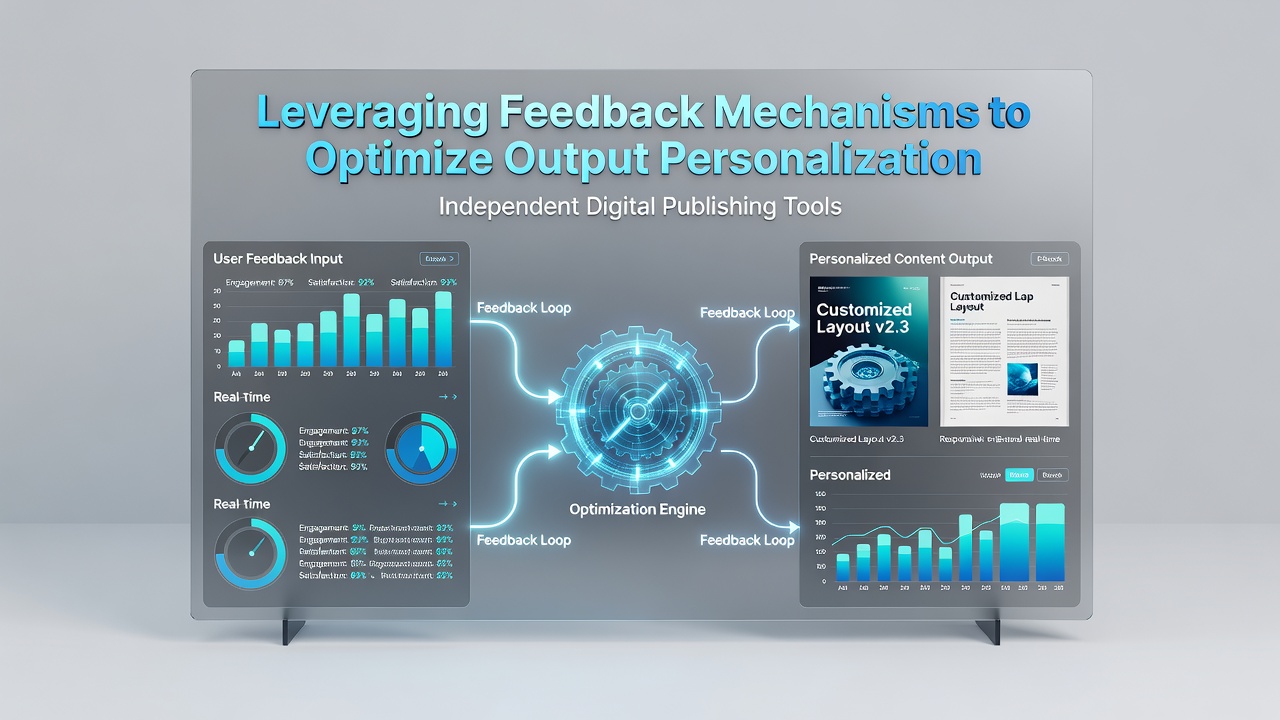
Independent digital publishers increasingly rely on feedback mechanisms within their tools to refine output personalization, and these systems collect user interactions such as reading duration, scroll patterns, and direct comments before routing the data back into content adjustment algorithms. Researchers at various institutions have documented how these loops operate in standalone platforms where operators manage everything from article generation to distribution without large teams supporting them.
Core Components of Feedback Systems in Publishing Tools
Feedback mechanisms typically incorporate several layers including implicit signals from audience behavior alongside explicit inputs like ratings or revision requests, while tools process these inputs through machine learning models that adjust tone, length, and topic emphasis for subsequent outputs. Data from October 2026 shows that platforms handling independent sites recorded average improvements in engagement metrics when operators enabled continuous feedback integration rather than relying on static templates alone. Observers note that such systems connect reader responses directly to parameter updates, allowing one adjustment cycle to influence multiple future pieces without manual intervention each time.
Take one operator who activated real-time comment parsing in their publishing suite, and the system began prioritizing content sections that matched recurring themes from audience replies. Studies indicate similar patterns across multiple independent ventures where feedback data refined personalization by narrowing focus to specific reader demographics that emerged from interaction logs. Those who've examined these implementations find that combining quantitative metrics like click-through rates with qualitative notes creates more accurate personalization profiles over repeated cycles.
Integration Patterns Across Standalone Platforms
Many independent tools now embed feedback collection at key stages such as post-publication review and pre-scheduling phases, which lets operators map how small changes in output variables produce measurable shifts in audience retention. A report from Statistics Canada on digital media consumption patterns revealed that sites using automated feedback loops achieved higher consistency in matching content style to user preferences compared with those depending on periodic manual reviews. What's interesting is how these integrations often require minimal coding knowledge, since most modern platforms offer modular plugins that handle data routing automatically once activated.
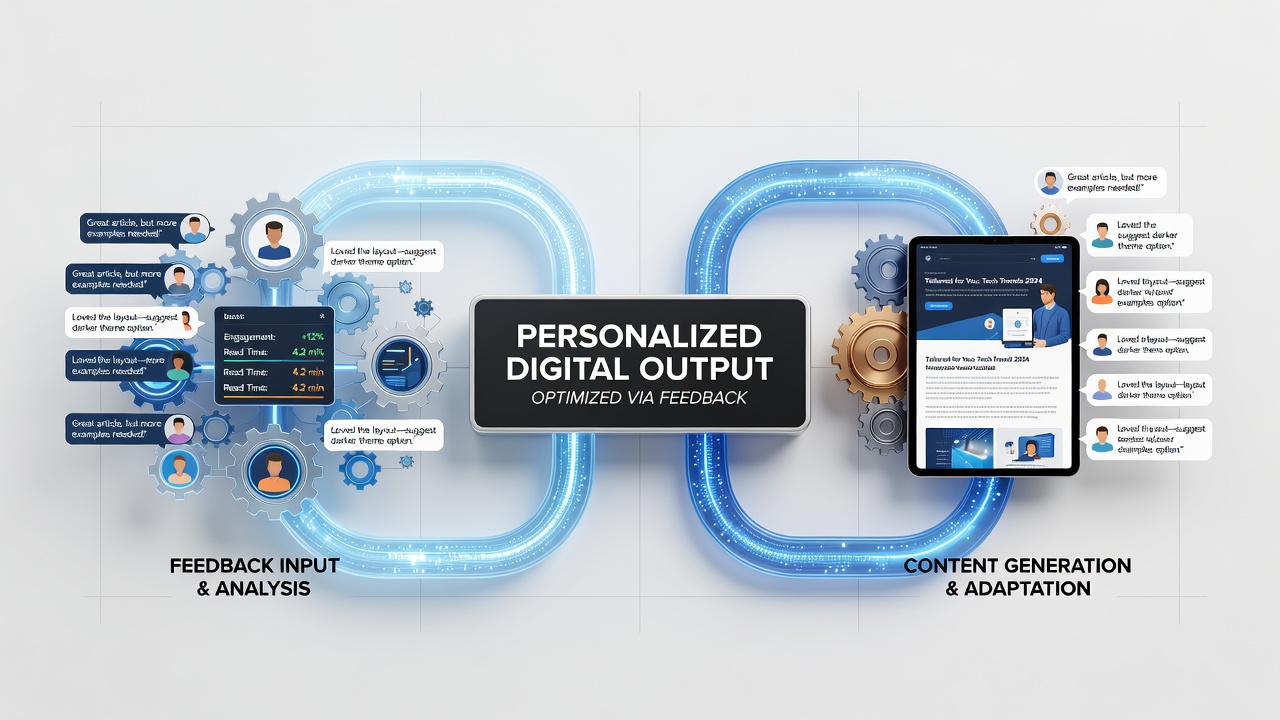
One case involved a solo publisher who connected performance tracking directly to content generation parameters, and the resulting outputs began reflecting regional language preferences extracted from reader locations. Experts have observed that such connections reduce the time spent on revisions because the system learns which elements resonate before the next batch of articles goes live. Research indicates that operators who review aggregated feedback summaries weekly rather than daily maintain steadier personalization gains without overwhelming their workflow.
Practical Applications and Observed Outcomes
Independent publishers apply these mechanisms to tailor everything from headline phrasing to recommended reading lists, while the underlying algorithms weigh recent feedback more heavily than older data points to keep personalization current. According to findings shared by the Australian Bureau of Statistics in their digital economy reports, ventures that implemented feedback-driven personalization saw measurable lifts in return visits when content aligned closely with expressed user interests. But here's the thing: success depends on clean data pipelines because noisy inputs from bots or irrelevant comments can skew the adjustments if left unfiltered.
Another documented example features an independent site operator who used A/B testing modules tied to feedback collection, and the system quickly identified which variations performed better across different subscriber segments. Those studying these tools report that combining feedback with external signals like search trend data further refines output without requiring additional manual input. Figures from industry analyses show adoption rates climbing steadily through late 2026 as more standalone platforms add these capabilities as standard features.
Conclusion
Feedback mechanisms continue to shape how independent digital publishing tools handle output personalization by turning raw user data into actionable adjustments that evolve with audience patterns. Operators who establish clear collection and processing routines gain consistent refinements across their content library, and ongoing developments in October 2026 point toward even tighter integration between feedback systems and generation engines. Evidence from multiple sources confirms these approaches deliver measurable alignment between published material and reader expectations when implemented with attention to data quality and cycle timing.