Zoe Fischer · 17 September 2026
Mapping Integration Patterns Between Content Automation Platforms and Performance Tracking Systems in Standalone Digital Ventures
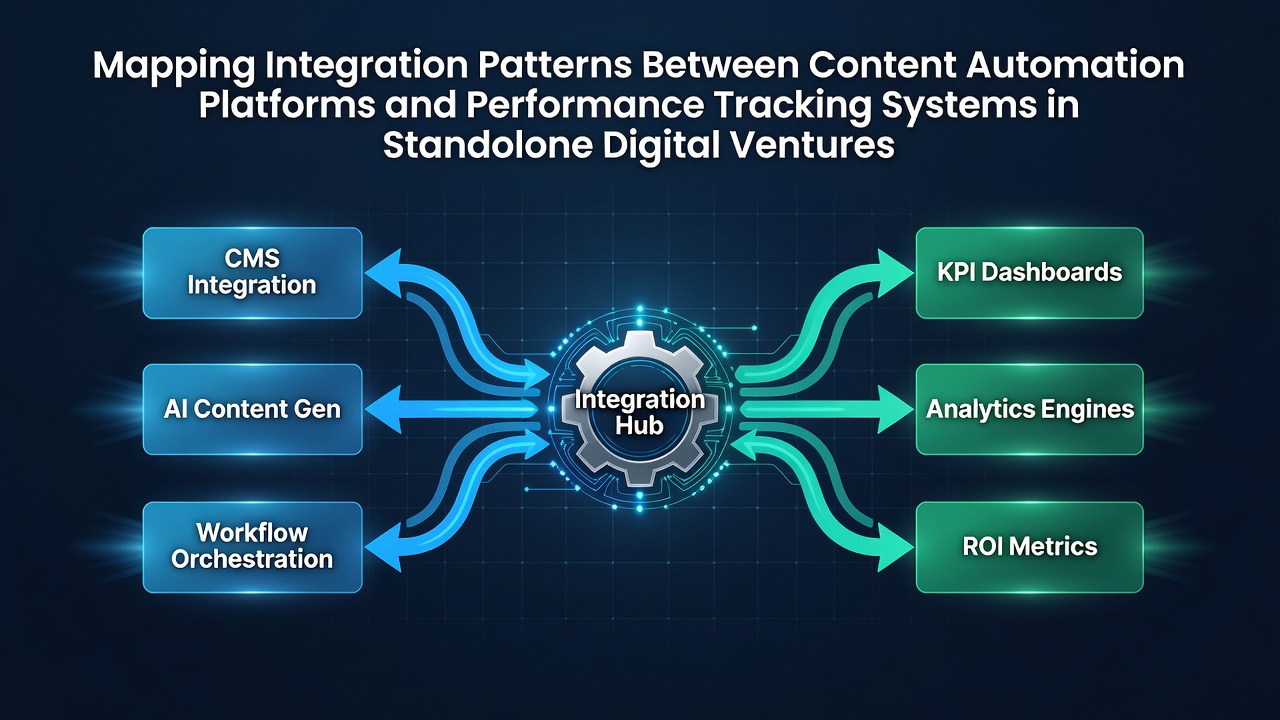
Standalone digital ventures often rely on content automation platforms to generate and distribute material at scale while performance tracking systems monitor audience engagement and conversion metrics. Researchers have documented several recurring integration patterns that connect these two categories of tools without requiring enterprise-level infrastructure. Data from independent site operators shows that direct API connections remain the most common approach because they allow real-time data flow between content scheduling engines and analytics dashboards. One observed pattern involves webhook triggers that fire whenever automated content is published. These triggers push metadata such as publication timestamps and keyword tags into performance databases so that traffic spikes can be attributed to specific pieces of material. Observers note that this method reduces manual tagging errors and supports faster iteration cycles in solo operations. Another pattern uses scheduled data exports combined with import scripts that run nightly, which suits ventures where immediate feedback is less critical than consolidated weekly reports. Technical mapping frequently centers on identifying shared data fields. Content platforms typically expose fields for title, word count, target keywords, and distribution channels, while tracking systems record page views, bounce rates, and session durations. Experts have mapped these fields to create unified schemas that allow queries across both datasets. In September 2026 several open-source libraries gained attention for handling these mappings automatically, lowering the barrier for independent operators who lack dedicated engineering resources.Core Integration Approaches
Direct database synchronization appears in ventures that maintain their own hosting environments. This approach pulls performance data into the content platform's backend so that historical engagement scores influence future content generation parameters. Studies indicate that sites using this method report improved topic selection accuracy over time because the automation layer receives continuous feedback from reader behavior metrics.
Event-driven architectures represent a more recent development. When a tracking system detects a threshold such as a sudden increase in referral traffic from a particular source, it can signal the content platform to prioritize related material. Those who have implemented this pattern describe reduced lag between performance signals and content adjustments, although setup requires careful handling of authentication tokens and rate limits imposed by each service.
Data Flow Considerations
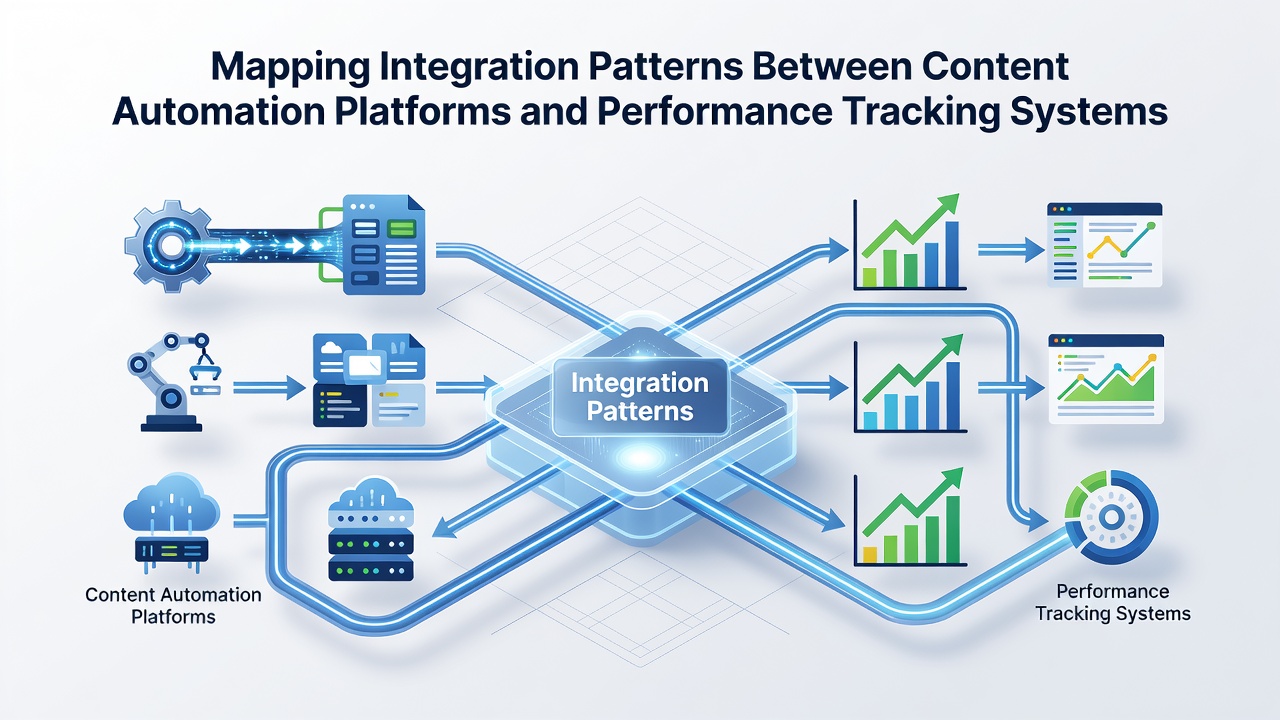
Latency requirements vary depending on the venture's goals. Ventures focused on breaking news topics tend to favor low-latency connections that update within minutes, whereas evergreen content sites often accept batch processing that occurs several times per day. Documentation from platform providers shows that most public APIs support both modes through different endpoints, giving operators flexibility without custom development.
Security mapping follows established patterns as well. API keys and OAuth tokens must be stored separately from content repositories, and access logs should be reviewed regularly. Research from academic institutions in Canada has examined common misconfigurations that expose these credentials, finding that segmented permission scopes reduce risk substantially in small-team environments.
Implementation Examples
Take one operator who connected an automation platform to a self-hosted analytics instance using custom middleware. The system automatically adjusted content frequency based on average time-on-page data collected over rolling thirty-day windows. Another case involved a European venture that linked its content calendar to a government-provided digital economy dataset, allowing topic suggestions to align with broader search trend indicators published quarterly by official statistics agencies.
Industry reports from organizations such as the Australian Bureau of Statistics highlight how small digital entities increasingly combine these tools to compete with larger publishers. Similar findings appear in analyses from the European Commission's digital single market documentation, which tracks adoption rates across member states.
Common Challenges and Resolutions
Field name mismatches and differing timestamp formats often create friction during initial setup. Operators resolve these issues by establishing canonical data dictionaries early in the project and enforcing them through validation scripts. Rate limiting on free-tier APIs can also interrupt continuous synchronization, prompting some ventures to implement exponential backoff logic or to upgrade to paid tiers once traffic volumes justify the expense.
Version control for integration scripts helps prevent drift when either platform updates its data structures. Those maintaining solo projects frequently store these scripts in public repositories so that community contributions can address emerging compatibility issues as platforms evolve.
Conclusion
Mapping integration patterns between content automation platforms and performance tracking systems continues to evolve as both categories of software add new capabilities. Standalone ventures benefit from understanding the established approaches to data exchange, field alignment, and security practices that researchers and operators have already tested at smaller scales. As tools mature through 2026 and beyond, the core patterns remain centered on reliable data flow, clear schema definitions, and measured responses to performance signals rather than constant manual oversight.